
If your crawl space smells musty or feels damp, excess humidity is usually the reason. Over time, that moisture can lead to mold and mildew growth, wood damage, and poor air quality throughout your home.
Encapsulation will help seal the space and reduce the amount of moisture that seeps in from the ground around your home, but it won’t do anything to remove the existing moisture in the space. That’s where a dehumidifier comes in.
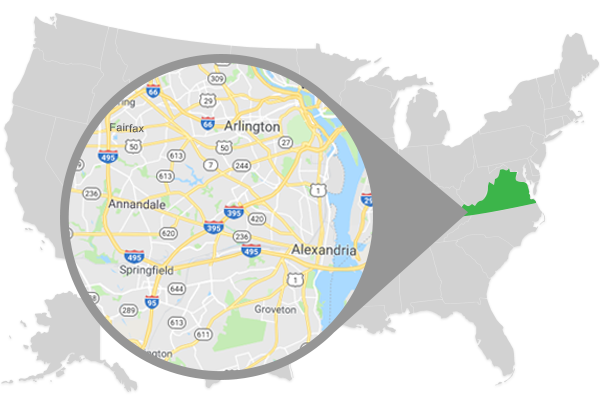
If you’re in Northern Virginia and noticing musty smells and damp walls in your crawl space, get a free inspection from Summit Environmental Solutions by calling (703) 520-5868 or filling out our contact form.

What Is a Dehumidifier and How Does It Work?
Dehumidifiers work to remove excessive moisture from a closed space in your home like a crawl space, basement, attic, or laundry room. High humidity in these spaces leads to many problems that can negatively impact the living space of your home.
When a crawl space is properly encapsulated and equipped with the correct dehumidifier, you’ll start seeing improvements all throughout the house. The air quality of your home will improve, your energy bills will decrease by up to 20%, your HVAC system will run more efficiently and effectively, and the value of your home will increase.
How Does a Dehumidifier Work?
Dehumidifiers consist of several components that work together to draw moisture out of the air. Air is pulled in through a fan motor, then the evaporator coil reduces the temperature. The moisture from the air condenses into the dehumidifier’s reservoir. Before the unit exhausts dry air back into the space, condenser coils reheat the air. Finally, the air passes through a filter to remove dust, lint, and debris to improve the air quality of the space.

Different Sizes of Dehumidifiers
Dehumidifiers aren’t a one-size-fits-all solution. The size of the space, as well as the humidity, determine the right unit you’ll need.
Square Footage of Room
Larger spaces need higher-capacity dehumidifiers. But humidity level matters just as much as square footage. A smaller space with higher humidity will also require a larger dehumidifier or a greater pint capacity.
Pint Capacity
The pint capacity of a dehumidifier refers to the amount of moisture removed from the air within 24 hours. Since water is being removed from the surrounding air, it needs to collect somewhere. Dehumidifiers have reservoirs or a drainage system that collects the moisture, so a more humid environment will require a greater pint capacity.
Dehumidifier Sizing Chart
The right dehumidifier size depends both on square footage and how damp the space is. Use this chart below as a general guideline.
| Condition of Space | 300 sq. ft. | 500 sq. ft. | 800 sq. ft. | 1,200 sq. ft. |
|---|---|---|---|---|
| Slightly Damp 50–60% humidity (air feels heavy) | 20 pint | 25–30 pint | 35–40 pint | 50 pint |
| Moderately Damp 60–70% humidity (musty odor) | 20 pint | 25–30 pint | 35–40 pint | 50 pint |
| Very Damp 70–80% humidity (wet spots on walls/floor) | 25 pint | 30 pint | 45 pint | 55 pint |
| Wet 80–100% humidity (visible mold) | 25–30 pint | 35–40 pint | 45–50 pint | 60 pint |
*Using updated testing standards (2020)
Basement, Crawl Space, Whole House Dehumidifier Sizing Chart
| Building Condition | 70–80 pint | 75–100 pint | 100–155 pint |
|---|---|---|---|
| Loosely Sealed | < 1,800 sq. ft. | < 2,200 sq. ft. | < 3,600 sq. ft. |
| Moderately Sealed | < 2,200 sq. ft. | < 2,600 sq. ft. | < 4,000 sq. ft. |
| Tightly Sealed | < 2,600 sq. ft. | < 3,000 sq. ft. | < 4,400 sq. ft. |
*Using updated testing standards (2020)

Which Size Dehumidifier Your Crawl Space Needs
The square footage of a room can be a rough guideline for what size dehumidifier you need, but the humidity of the space as well as the climate also will influence the pint capacity of the unit.
If you’re in an area with high humidity, it’s recommended that you add 10 pints to the needed capacity.
Crawl Space Size
Most crawl spaces fall somewhere in the range of 1,000-2,000 sq ft. In general, the height is anywhere from 18 inches to 4 feet high. That means for most crawl spaces, you would need a dehumidifier with a pint capacity of 50-80 pints depending on the humidity and how well the crawl space is sealed. If you need a dehumidifier that is removing moisture from air in the entire house, you’ll need one much larger.
Moisture Level of the Room
If you live in a climate that has higher humidity than average, or if you have a particularly humid crawl space, you might need a larger dehumidifier with a higher pint capacity.
Other Factors
Beyond the size of the space and the humidity, there are other factors that might contribute to you choosing one size dehumidifier over another. The methods to drain the water from the reservoir can be a deciding factor. For crawl spaces, there are multiple drainage methods commonly used. Most crawl space dehumidifiers use a condensate pump to push water out of the space through a hose and away from the home.
Sometimes homeowners will integrate the drainage system directly into the pre-existing sump pump. Other times a gravity drain is used. During your inspection, an expert from Summit Environmental Solutions can determine what dehumidifier and drainage system is right for your home.

Common Dehumidifier Mistakes to Avoid
When picking the right dehumidifier for your crawl space, make sure you avoid common mistakes so you can keep the unit working properly and keep the crawl space dry and clean.
Don't Place Against Wall Or In Corners
Dehumidifiers take in air from all around the unit. By placing it in a corner or up against the wall, you’re limiting the amount of air intake and making it work harder. Placing it several feet from the walls or other structures allows for optimal performance.

Regularly Change Filter
How often the filter needs to be changed can vary greatly depending on the air in the space. If the crawl space is particularly dusty or dirty, it could be changed as often as once a month. In some cases, you may only need to change the filter annually.
After getting your crawl space encapsulated and setting up a dehumidifier, check on the filter after 6 weeks or so and gauge how dirty it is. Adjust your schedule accordingly based on that.
Don’t Pick the Wrong Size
In order to get the most performance out of your dehumidifier, you want to be sure it’s the right size for the job.
Choosing a unit that’s too small will be ineffective and the moisture problems will persist. If you try to go overboard and get a larger size just to be safe, it’s going to short-cycle constantly. The unit won’t run long enough to properly move the air, and you’d be spending hundreds of dollars that you could have saved.

Set Correct Humidity Levels
Setting the correct humidity level for the dehumidifier in your crawl space is key. When first installing one in a damp space, set the humidity level to 30-40% for a quick fix. After the initial set up, you can adjust the level to around 40-50%. This should be a good level to prevent mold growth and maintain a comfortable environment.
Avoid over-drying the space. Anything below 30% can lead to dry skin or even wood damage.

Think About Drainage
Proper drainage is essential for a working dehumidifier. There’s a few common methods that homeowners use to ensure their unit is draining effectively without the need for regularly emptying the reservoir.
- A condensate pump uses power to push water horizontally or vertically up to 15 feet into a drain. This allows for a continuous flow of water and requires little maintenance for the homeowner.
- A gravity drain uses the force of gravity to pull the water down into a drain. If you’re using this method, make sure that the unit is placed at a higher elevation than the drain to ensure that the water will flow down towards the drain.
Most dehumidifiers come equipped with an automatic shut off feature. When this is on, the unit will shut off in case of the reservoir overflowing or pump failures. Also be sure to regularly check for kinks in the hose and clean the air filter for maximum efficiency.

Why Encapsulation Without Humidity Control Fails
Without a dehumidifier in an encapsulated crawl space, the existing moisture trapped inside may create a worse environment than before sealing the crawl space. Make sure you have a dehumidifier installed to avoid mold growth, wood rot, or structural damage.
Humidity Can’t Escape
A successful encapsulation seals off all the gaps that allow moisture to enter the crawl space. That also means that the moisture is unable to exit. That’s where a dehumidifier comes in. In a matter of days, the humidity will drop to a comfortable level of 30-50%.
Risk of Condensation
Encapsulation also does not address the dew point. Condensation can occur when a cold object comes in contact with warm air or vice-versa. A dehumidifier will absorb the moisture from the air and dry it before pushing it back out into the space.

Have a Professional Inspect Your Crawl Space
Some homeowners choose to install a dehumidifier themselves, but crawl spaces aren’t always easy to work in. Getting the sizing and drainage right the first time can make a big difference in long-term performance.
If you’re in the Northern Virginia area and have a musty or damp crawl space, Summit Environmental Solutions can help you figure out exactly what size and setup will work best. To schedule a free inspection, give us a call at (703) 520-5868 or fill out our contact form today.