
Is Your Crawlspace Making Your Allergies Worse?
If you’re constantly dealing with allergy symptoms inside your home, the problem may not be coming from outside. In a lot of cases, it starts underneath the house.
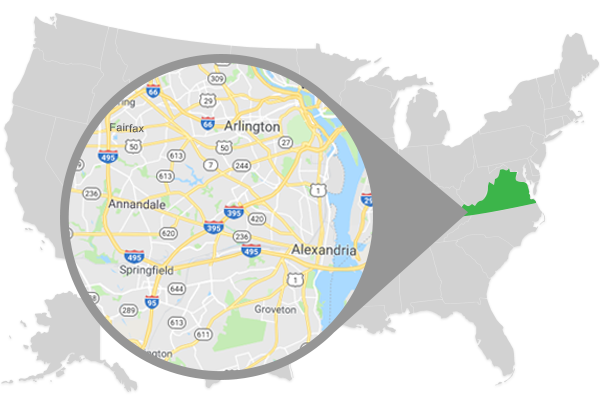
Many homeowners don’t realize how much the crawlspace affects the air inside the home. Moisture, mold, damp insulation, and pest activity under the house can all impact indoor air quality, especially in older or vented crawlspaces common throughout Virginia.
Here’s what to know about the connection between your crawlspace and indoor allergens.
Your Crawlspace & Indoor Air Quality
Most people think of their crawlspace as separate from the rest of the house, but it really isn’t.
Because of something called the stack effect, air naturally moves upward through a home. That means air from the crawlspace eventually makes its way into the living areas above it. In fact, it’s often said that up to 75% of the air inside a home comes from the crawlspace.
If the crawlspace is damp, musty, or full of contaminants, that air doesn’t stay contained underneath the house. It moves upward through gaps around plumbing, ductwork, flooring, and framing.
That’s why homeowners with crawlspace moisture problems often notice things like:
- Musty smells indoors
- Allergy symptoms that feel worse at home
- Humid or stale indoor air
- Increased dust around the house
A lot of people focus on air filters or cleaning more often without realizing the source of the problem may be underneath them the entire time.
Common Allergens Found in Crawlspaces
A damp crawlspace creates the kind of environment where allergens build up quickly.
One of the biggest issues is mold. When moisture levels stay high, mold can start growing on wood framing, insulation, and other organic material under the house. Those spores can then circulate into the living space above.
Dust mites are another common issue. They thrive in humid environments, especially in older insulation that’s holding moisture.
Then there’s pest and rodent activity. Crawlspaces are one of the most common places for rodents to nest, and droppings, urine, and nesting material all affect air quality over time.
Even without visible mold or standing water, a crawlspace that stays damp for long periods usually develops that musty, stale smell homeowners notice inside the house.
Improve Indoor Air Quality with Crawlspace Encapsulation
The biggest part of improving crawlspace air quality is controlling moisture.
That’s where crawlspace encapsulation comes in. A properly encapsulated crawlspace is sealed off from outside moisture and humid air using a vapor barrier and other moisture-control measures.
The goal is to create a dry, controlled environment underneath the home.
That typically includes:
- A vapor barrier over the ground
- Sealing crawlspace vents and gaps
- Controlling humidity levels
- Removing damp or damaged insulation when needed
When moisture levels come down, conditions become much less favorable for mold, dust mites, and other allergens.
Encapsulation isn’t about making a crawlspace look cleaner. It’s about changing the environment underneath the home so moisture and contaminants are no longer constantly circulating upward into the air you live in every day.
Get a Free Crawlspace Inspection
If your home smells musty, feels humid, or allergy symptoms seem worse indoors, the crawlspace is worth checking.
Summit Environmental Solutions provides crawlspace inspections and encapsulation solutions designed to help control moisture and improve conditions underneath the home.
Call 703-291-1516 or submit a contact form to schedule your free crawl space inspection in Northern Virginia.