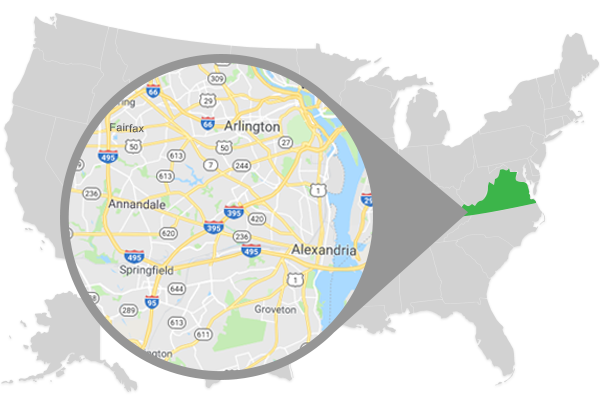

Last weekend’s snowstorm was more than just an inconvenience for homeowners across Northern Virginia. For many homes in Fairfax, Arlington, and Alexandria, it quietly revealed what was happening inside the attic when temperatures dropped and heat demand went up.
Snowstorms have a way of exposing attic insulation problems that often go unnoticed during milder weather. When outside temperatures plunge, any weakness in insulation or air sealing becomes obvious. Warm air escapes upward, cold air finds its way back into the living space, and heating systems are forced to work harder than they should. Homeowners may notice certain rooms feeling colder than others, higher energy bills, or snow melting unevenly on the roof. Those are not random issues. They are signs that the attic is not performing the way it should.
This blog breaks down what the snowstorm may have revealed about your attic, why it matters for your home, and what homeowners in Northern Virginia should know about attic insulation in winter. Whether you noticed something felt off during the storm or you just want to be proactive, understanding how your attic performed can help prevent bigger problems down the road.
Signs Your Attic Insulation Struggled During the Snowstorm

Attic insulation problems tend to reveal themselves in consistent, noticeable ways when temperatures drop and snow sticks around. Here are some of the most common signs your attic insulation is underperforming:
Uneven snow melt on the roof
If parts of your roof cleared off quickly while other areas stayed covered, warm air may be escaping into the attic in certain spots. That heat melts snow from below and often points to insulation gaps or air leaks.Cold rooms or drafts, especially upstairs
When attic insulation is thin, compressed, or missing in areas, heat rises and escapes more easily. This often leaves upper-level rooms feeling colder or drafty, even when the heat is running.Ice buildup along roof edges or gutters
Ice forming at the edges of the roof is often tied to heat loss through the attic. Snow melts higher up, flows downward, and refreezes at colder edges. While it shows up on the roof, the root cause is often insulation or air sealing issues inside the attic.Heating system running constantly
If your system seemed to run nonstop during the storm, your attic may not be holding heat the way it should. When warm air escapes, the system has to work harder just to keep indoor temperatures stable.A noticeable increase in energy bills
Cold weather will naturally increase heating costs, but insulation problems make that increase much more noticeable. When the attic is underperforming, much of the heat you pay for never stays inside the home.
If you noticed one or more of these issues during the snowstorm, your attic insulation may not be performing as well as it should during winter conditions. Contact Summit for a free insulation assessment today.
Why Attic Insulation Matters More in Winter

In winter, most of the heat in your home is lost through the attic. Warm air naturally rises, and if insulation or air sealing is lacking, that heat escapes into the attic instead of staying inside the home.
When this happens, indoor temperatures become harder to maintain. Upper floors often feel colder, heating systems run longer, and energy costs climb during cold spells. In Northern Virginia, where winter temperatures can shift quickly, these issues tend to show up fast.
Moisture is another major concern. Warm indoor air carries moisture, and when it enters a cold attic, condensation can form on insulation and structural surfaces. Over time, this moisture reduces insulation performance and can contribute to larger problems if left unaddressed.
Heat loss through the attic also affects the roof. Escaping warmth can melt snow unevenly, increasing the chance of ice forming along roof edges. While this shows up outside, the cause is usually inside the attic.
Attic insulation is not just about comfort. It plays a key role in energy efficiency, moisture control, and how well your home handles winter conditions overall.
Common Attic Insulation Problems We Find After Winter Storms in Northern Virginia
After a major winter storm, many attic issues become easier to identify. These are some of the most common insulation problems we see in homes across Fairfax, Arlington, and Alexandria.
Insulation that has settled or compacted over time
Older insulation can lose depth as it settles, leaving less coverage than needed to keep heat inside the home. Even a few inches of loss can make a noticeable difference during cold weather.Gaps and air leaks around attic penetrations
Areas around recessed lights, attic hatches, plumbing vents, and wiring are common trouble spots. These gaps allow warm air to escape directly into the attic, reducing overall insulation performance.Insulation that no longer meets current standards
Many Northern Virginia homes were built before today’s insulation recommendations. Even if insulation is present, it may not provide enough thermal resistance to handle modern heating demands.Moisture affected or damp insulation
Condensation from warm air meeting cold attic surfaces can dampen insulation during winter. Once insulation is wet, it loses effectiveness and can contribute to long term issues if not addressed.Uneven or inconsistent insulation coverage
Some areas of the attic may be well insulated while others are thin or bare. These weak spots often line up with the comfort and energy issues homeowners notice during a snowstorm.
These issues are common, especially in older homes, and they often develop gradually. A winter storm simply makes their impact harder to ignore.
What a Professional Attic Insulation Inspection Looks Like

A professional attic insulation inspection from Summit Environmental Solutions starts by checking the type, condition, and depth of existing insulation to see if it provides enough coverage for cold weather. Areas where insulation has settled, shifted, or worn down are identified.
Next, common air leak locations are inspected, including attic hatches, recessed lighting, vents, and other openings that allow warm air to escape into the attic. These leaks often cause many of the winter comfort and energy issues homeowners notice.
We also check the attic for moisture or condensation, which can reduce insulation performance and lead to long term problems if left unaddressed.
After the inspection, homeowners receive a clear explanation of what’s working, what’s not, and solutions that make sense for their home to improve comfort, efficiency, and winter performance.
FAQ: Attic Insulation After a Winter Storm
How can I tell if my attic insulation struggled during the recent snowstorm?
From what we see in Northern Virginia homes, uneven snow melt on the roof is one of the clearest signs. If snow disappeared faster in certain areas, that usually means heat was escaping from below. Inside the home, cold upstairs rooms, noticeable drafts, or a sudden jump in heating costs after the storm often point to insulation that is thin, settled, or allowing air to leak through.
Are ice dams a sign of poor attic insulation?
In many cases, yes. Ice buildup along roof edges usually starts when warm air leaks into the attic and melts snow higher up on the roof. As that water moves downward and refreezes, ice forms at the edges. While ice dams show up on the roof, the underlying issue is often insulation and air sealing problems inside the attic.
Is it worth upgrading attic insulation after cold weather has already hit?
Yes. Winter is often when insulation problems become easiest to identify. Cold temperatures make heat loss more noticeable, which allows us to see where insulation and air sealing improvements will have the biggest impact. Upgrading insulation can improve comfort right away and help lower heating costs for the rest of the season and beyond.
How much attic insulation do Northern Virginia homes typically need?
Most homes in this area benefit from attic insulation levels that meet current recommendations for our climate. Many older homes in Fairfax, Arlington, and Alexandria simply do not have enough insulation by today’s standards. The right amount depends on the age of the home, the existing insulation, and the attic layout, which is why an inspection is important before adding more.
Can I check my attic insulation myself?
You can spot obvious issues on your own. Look for uneven insulation, areas where joists are visible, or signs of moisture or staining. These are often indicators that insulation has settled or been affected by air leaks. What is harder to see without experience are the air gaps and performance issues that cause winter heat loss, which is where a professional inspection helps.
Will improving attic insulation actually lower my energy bills?
In most cases, yes. When insulation and air sealing are working properly, heat stays inside the home longer. That means your heating system does not have to run as often or as long. Over time, this typically leads to lower winter energy costs and more consistent indoor temperatures.
What is the difference between adding insulation and air sealing?
Insulation slows heat movement, while air sealing stops warm air from escaping through gaps and openings. We often find that homes need both. Adding insulation without sealing air leaks limits how effective that insulation can be. When done together, they provide better comfort and winter performance.
Can attic insulation problems lead to moisture or mold issues?
Yes. Warm indoor air contains moisture. When it leaks into a cold attic, that moisture can condense on insulation and framing. Over time, this can reduce insulation effectiveness and create conditions where mold or wood damage may develop if the issue is not corrected.
When is the best time to schedule attic insulation services?
After a major snowstorm is often an ideal time. Winter conditions reveal problems that are harder to detect during mild weather. Addressing insulation issues now helps prevent ongoing heat loss, high energy bills, and moisture concerns before spring temperature changes arrive.
Why Homeowners Trust Summit Environmental Solutions for Attic Insulation

Homeowners in Northern Virginia trust Summit Environmental Solutions because we focus on real solutions, not quick fixes. We take the time to understand how your attic is performing, explain what we find, and recommend insulation improvements that actually make a difference in comfort, efficiency, and long term home performance.
If your attic struggled during the recent snowstorm, our team can help you understand why and what to do next.
Call (703) 520-5868 today or fill out our contact form to schedule your free attic insulation inspection.